
 Facebook
 X
X
 Pinterest
 Copy Link
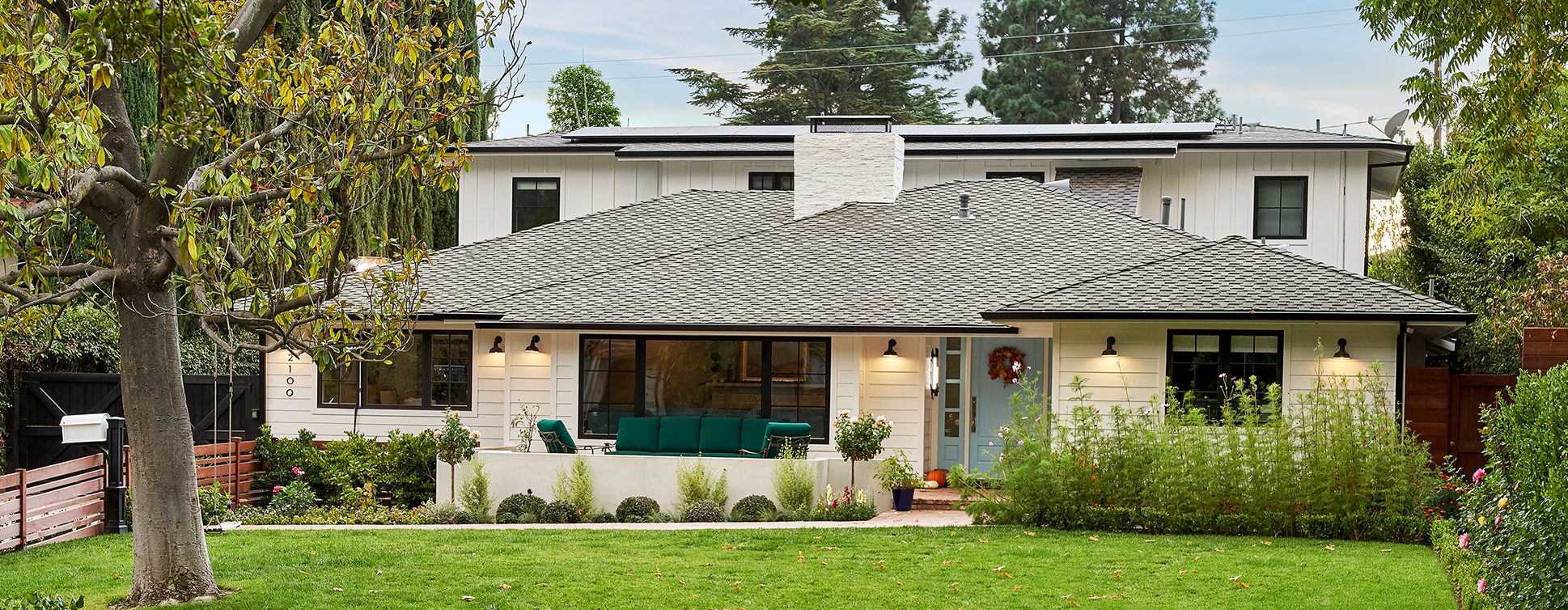
Roof age now plays a direct role in insurance approval, financing requirements, and how smoothly a real estate transaction moves from contract to closing.
In real estate, it’s easy to focus on what’s visible: architecture, finishes, location, and lifestyle.
But increasingly, transactions are being influenced by something far less obvious—the age and condition of the roof.
What was once a background detail has quietly become a decision‑making factor.
Insurance carriers across the country have tightened underwriting standards in response to heightened storm activity, increased claim frequency, and rising replacement costs. As a result, roof age is often one of the first items reviewed during insurance approval—well before closing.
In today’s market, roof age can directly impact:
- Insurance eligibility and policy structure
- Coverage limits and deductibles
- Buyer financing approval
- The timeline and certainty of closing
From an insurance standpoint, roof age is now treated as a primary risk indicator. Many carriers require additional inspections, impose coverage limitations, or shift older roofs to actual‑cash‑value policies—even when no visible damage is present.
For a clear explanation from the insurance industry, see: Roof Age and Home Insurance: What Insurers Look For (February 2026)
For homeowners in North Shore communities—where housing stock is often mature, architecturally rich, and thoughtfully maintained—this shift hasn’t changed intrinsic value. What it has changed is the importance of preparation.
Planning Ahead Makes the Difference
For clients considering buying or selling in the coming years, a proactive approach helps reduce unnecessary friction:
Consider a pre‑listing roof inspection
Not as a signal to replace, but as a way to gain clarity early. Advance knowledge allows for informed decisions rather than reactive ones.
Understand remaining useful life
An older roof does not automatically require replacement. Insurers evaluate both age and documented condition.
Maintain thorough documentation
Installation dates, warranties, inspection reports, and repair records now carry increased weight with insurers, lenders, and buyers.
Demonstrate long‑term stewardship
A well‑maintained roof supported by records reinforces what informed buyers expect: careful ownership and proactive care.
For a practical overview of what inspectors and insurers evaluate, this current guide is helpful: Roof Inspection Checklist: 15 Things to Check (2026)
This isn’t about creating urgency or pushing improvements.
It’s about removing variables.
The smoothest transactions are typically the ones where potential obstacles are addressed well before they surface during due diligence. Today, roof age is one of the most common—and most manageable—of those variables.
Frequently Asked Questions About Roof Age and Real Estate
Does roof age really affect insurance approval?
Yes. Many insurers review roof age early in underwriting and may require inspections or limit coverage once certain age thresholds are reached.
Will an older roof prevent a home from selling?
Not necessarily. However, it can affect insurance availability and financing, which may influence timelines or negotiations if not addressed proactively.
Do I need to replace my roof before selling?
Not always. What matters most is the roof’s condition, remaining useful life, and how insurers evaluate risk.
When should homeowners review their roof if they plan to sell?
Ideally one to three years before listing, especially for roofs approaching common insurer review thresholds.
If you’re considering buying or selling—or simply want clarity around your options in today’s market—I’m always happy to be a resource. Thoughtful real estate decisions start with informed conversations.
Kristy Robbins, REALTOR®
Coldwell Banker Realty
Serving the North Shore & Greater Milwaukee
🌐 https://kristyrobbinsrealestate.com
✉️ kristy.robbins@cbrealty.com
📞 (608) 630‑3899
Ready to get started?
👉 Click here to complete a brief intake form so I can better understand your goals.
